Poor design creates unnecessary barriers.
I'm Isabel — an interaction designer working where people, technology and everyday experience meet, building on a foundation in industrial design. Motivated by empathy, strengthened by collaboration and problem solving.
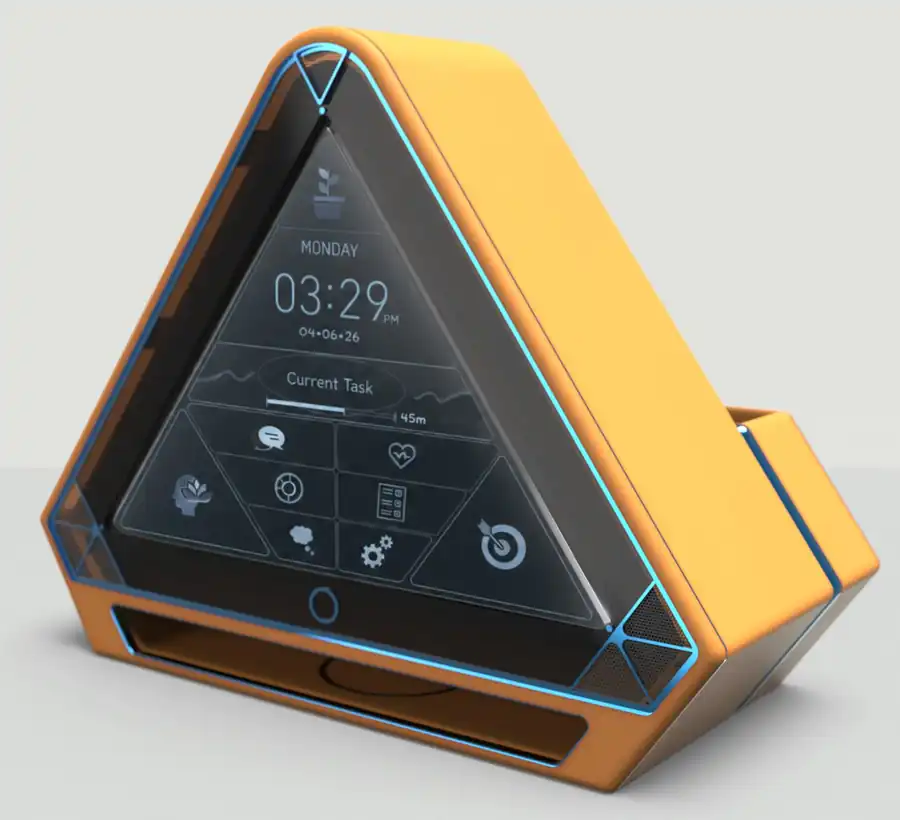 Command Center · industrial design render
Command Center
Rule the day.
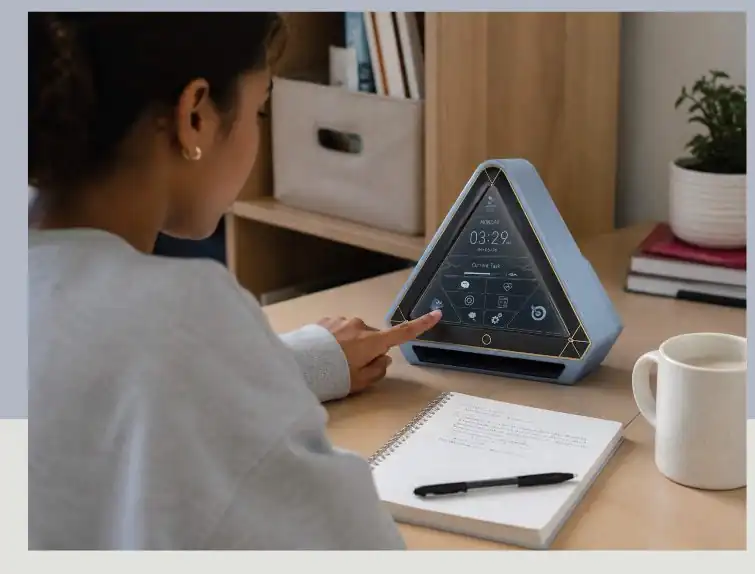
An interactive technology that supports people with ADHD by removing barriers to action rather than adding another tool to remember. A desktop device and paired app that externalise the parts of the day that are hardest to hold onto.
Problem
The advice given to neurodivergent people is rarely designed for them — “just make a list, use a planner, set a timer.” Those solutions assume the executive function they're meant to replace.
Time management and organisation sat at the centre of respondents' distress, alongside dopamine-seeking and task engagement.
Approach
Academic research, a survey of 21 adults living with ADHD, and a professional interview with Kimberly Koljat, a therapist specialising in neurodivergence.
That interview changed the design: professional feedback challenged the assumption that a meditation feature would suit every ADHD user, so grounding shifted toward lower-friction somatic feedback instead.
Outcome
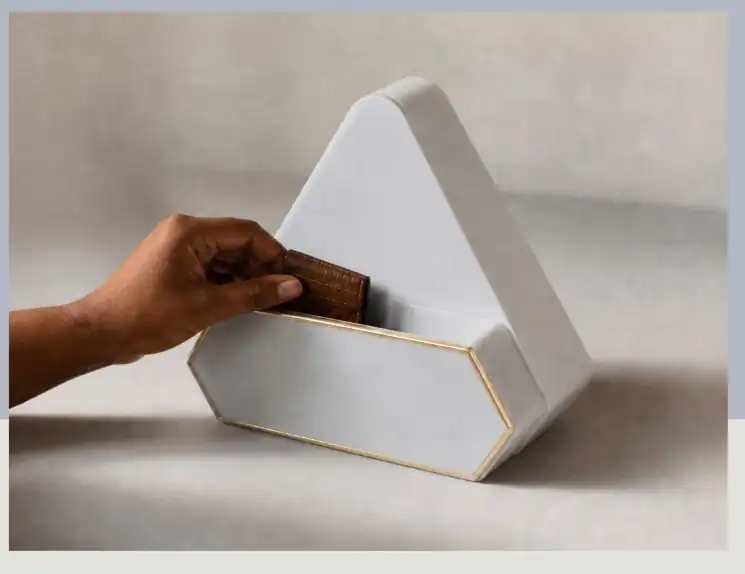
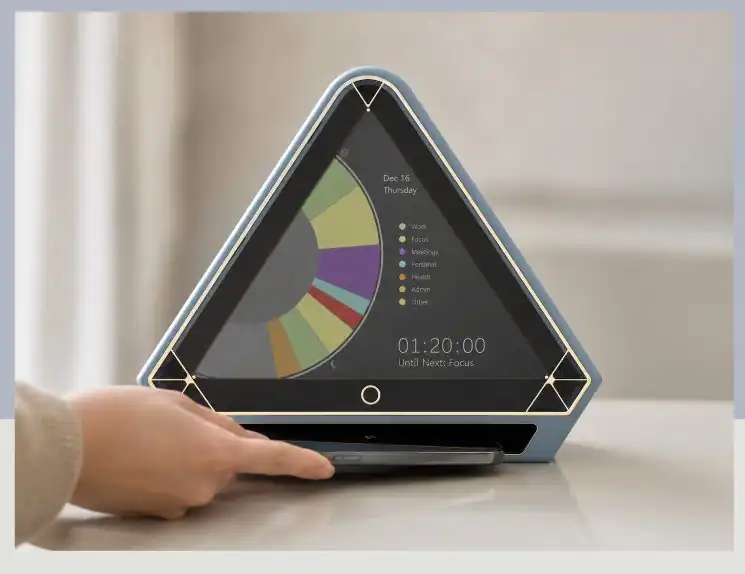
A triangular device that is hard to ignore and integrates storage, so everyday items have a home. A phone slot charges the phone while locking it away for a focus session.
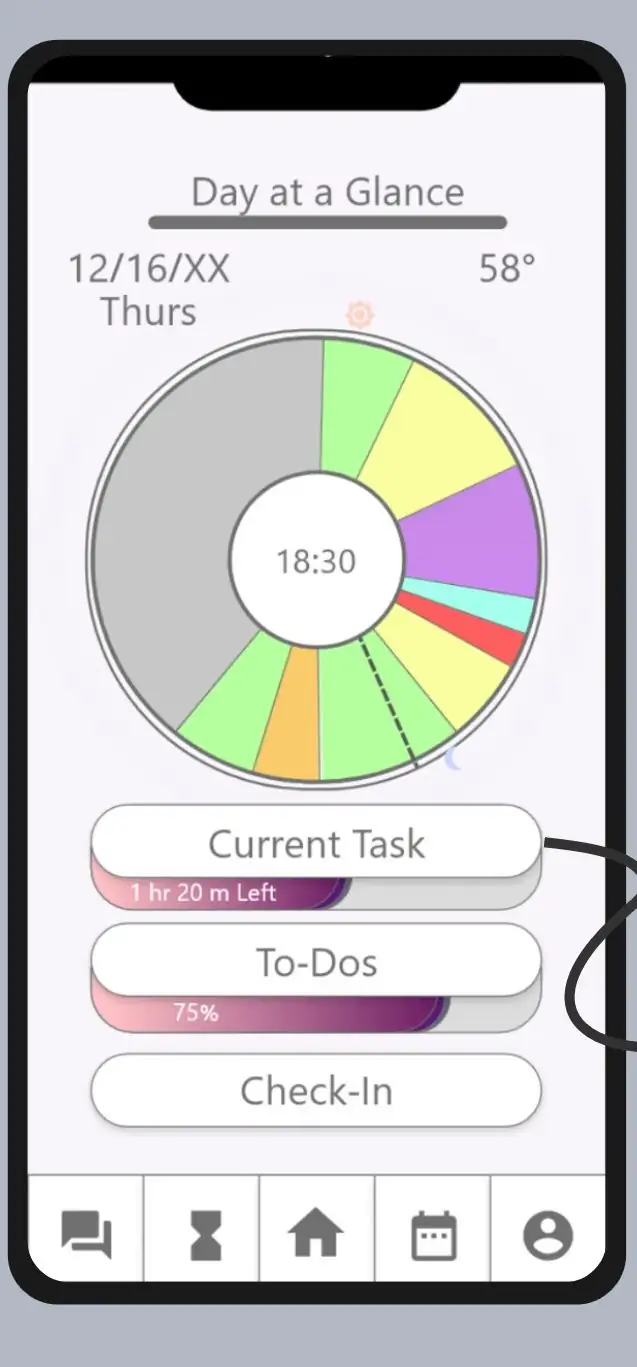
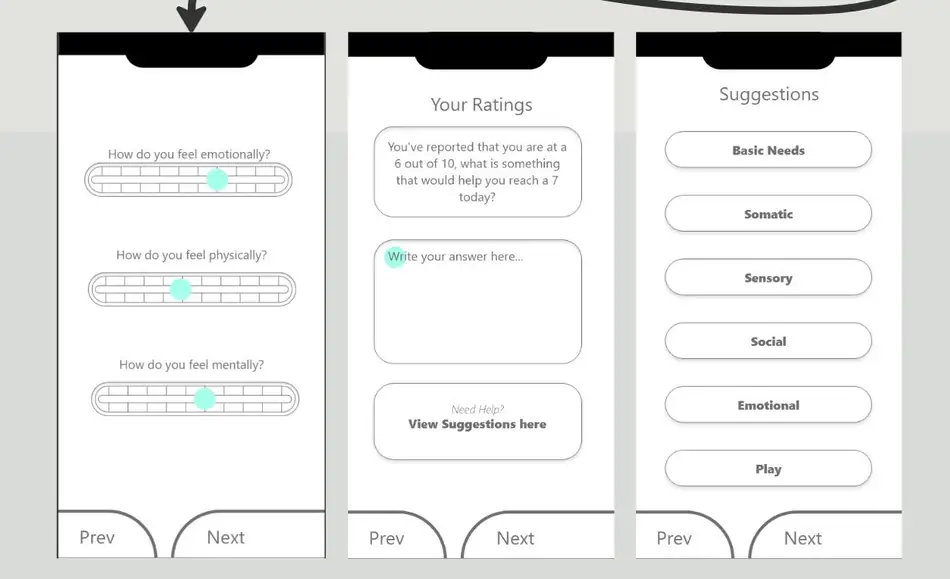
The companion app carries a radial Day at a Glance calendar built against time blindness, plus a guided Check-In.
Figures compiled during technical research. Child prevalence: CDC, 2022 National Survey of Children’s Health.
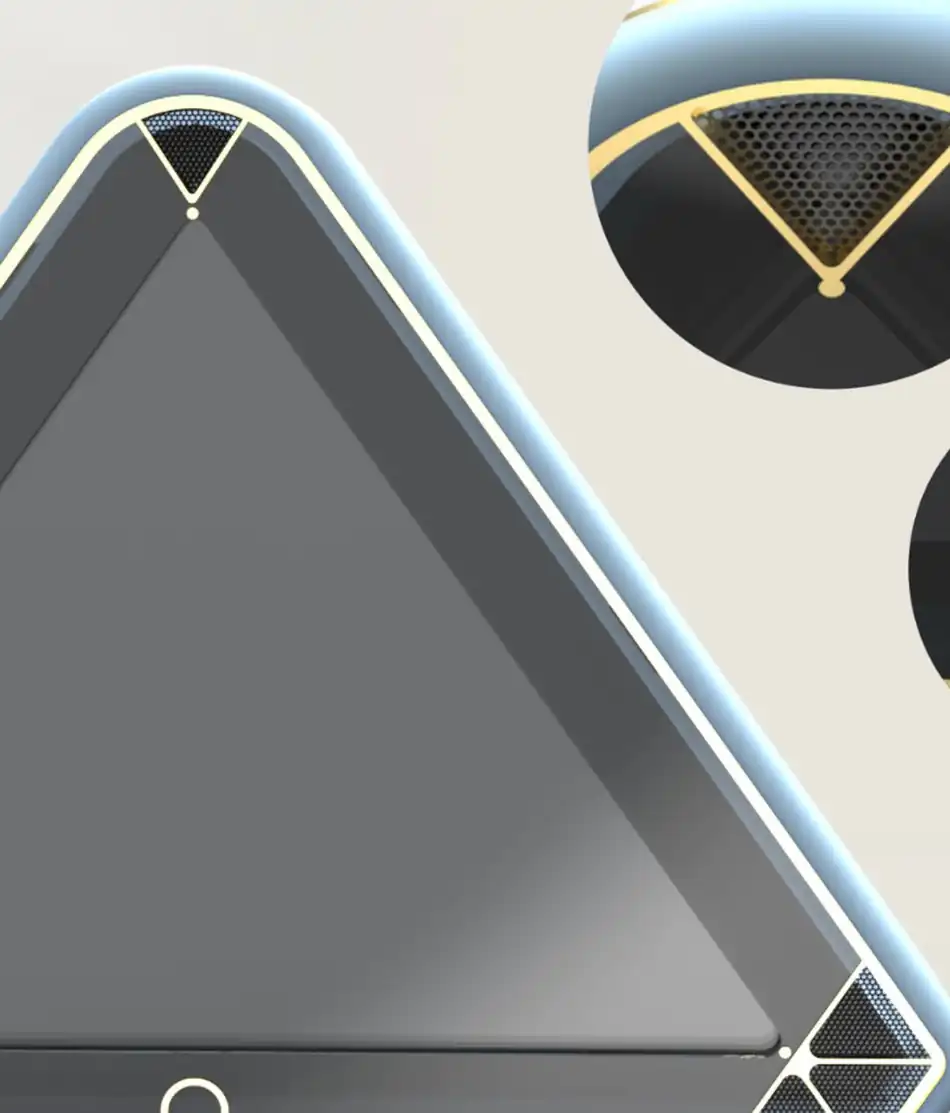
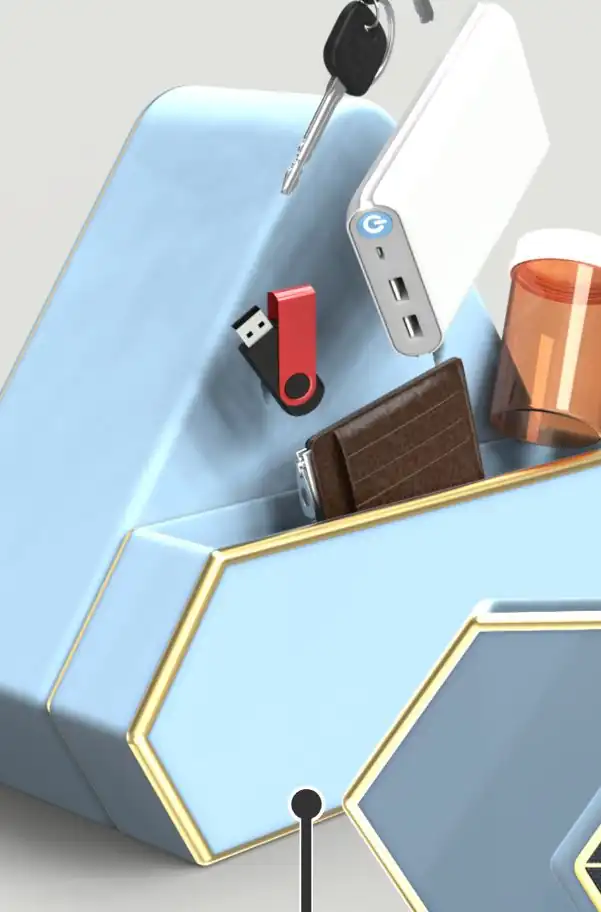
Designing for ADHD is not about adding more tools. It's about externalising cognitive processes, reducing decision friction, and designing for real behavioural patterns rather than ideal ones — an approach that transfers to education, the workplace, and mental health support technologies.
MeowHaus Cat House
Join the neighborhood.
How can interaction design respond to non-verbal feedback when the primary user cannot articulate intent or preference? A modular cat tree designed from observed behaviour — then lived with for a year and redesigned around how it actually failed.
Problem
The cat furniture market is a choose-your-usage-failure adventure: big, bulky and unattractive, or designed for looks and cheaply built.
Neither adapts to moving house, adding a pet, or a cat's aging and mobility. When a tree gets too damaged or hard to clean, it goes to landfill.
Approach
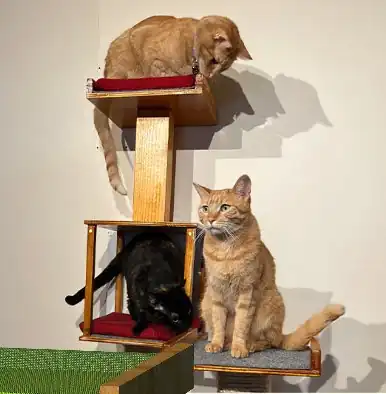
Cats can't answer a survey. Research came from ethology and environmental enrichment literature, cat-owner forums and surveys, and in-person observation — recording preference, discomfort and engagement.
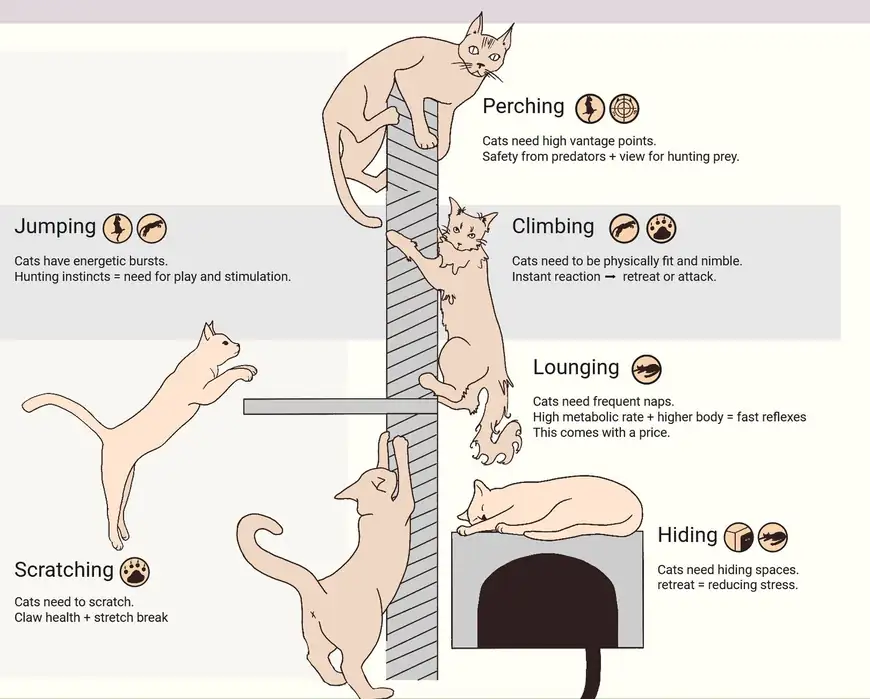
Six behavioural personas emerged: the Lounger, Hider, Zoomer, Scratcher, Hunter and Percher. Every cat shows all six, in different proportions.
Outcome
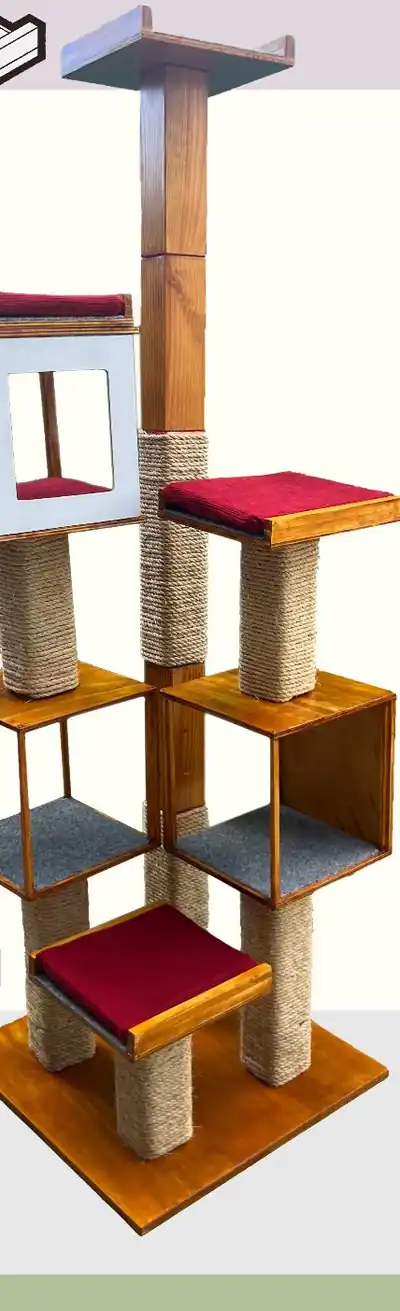
A modular system on a weighted solid-wood anti-topple base. Interchangeable panels create open or hidden areas; sisal poles come in two lengths to build varied levels.
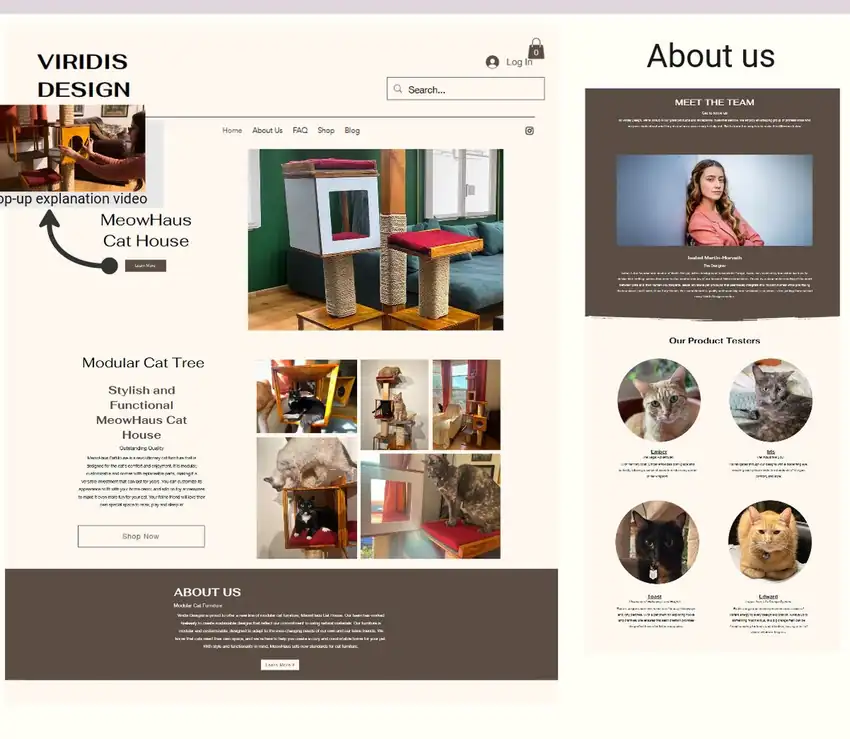
Sisal for claw health, bare wood for structure, canvas for jumping points, removable covers for the wash. Presented through a concept storefront under the Viridis Design brand.
Finding one · Structure
Stable and topple-proof against cat activity, but the structure creaked and wobbled under any movement. Fix: parts secured with a simple screw instead of spin-assembly.
Finding two · Materials
Degradation followed uneven cycles — the upholstery failed at eight months while sisal wore down gradually. Fix: carpet wraps and clips on, fully replaceable.
Finding three · Panels
Magnets weren't strong enough; cats knocked panels out and the noise frightened them. Fix: panels redesigned as a sliding mechanism.
Finding four · Behaviour
When reconfiguration took effort, people improvised temporary fixes instead of using the modular system as intended. Fix: rope fed through drilled holes and knotted, so repair is a five-minute job.
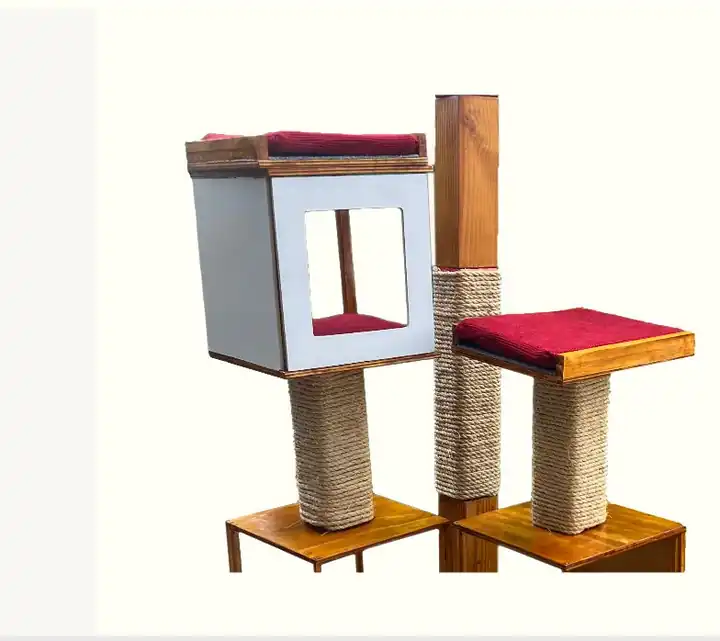
Most cat furniture fails not because of a single design flaw, but because it does not adapt to how cats actually interact with space over time. Longitudinal testing turned predictable material failure into a design requirement rather than a defect.
D&D as a System
A better onboarding system for Dungeons & Dragons.
New players freeze, because the game introduces rules, character abilities, social performance and dice mechanics all at once. How might a session help new players make informed, meaningful choices before they understand the rules?
Problem
Complexity arrives all at once. Players defer to the Dungeon Master, pause, or ask rules questions instead of acting — and rule anxiety replaces play.
Approach
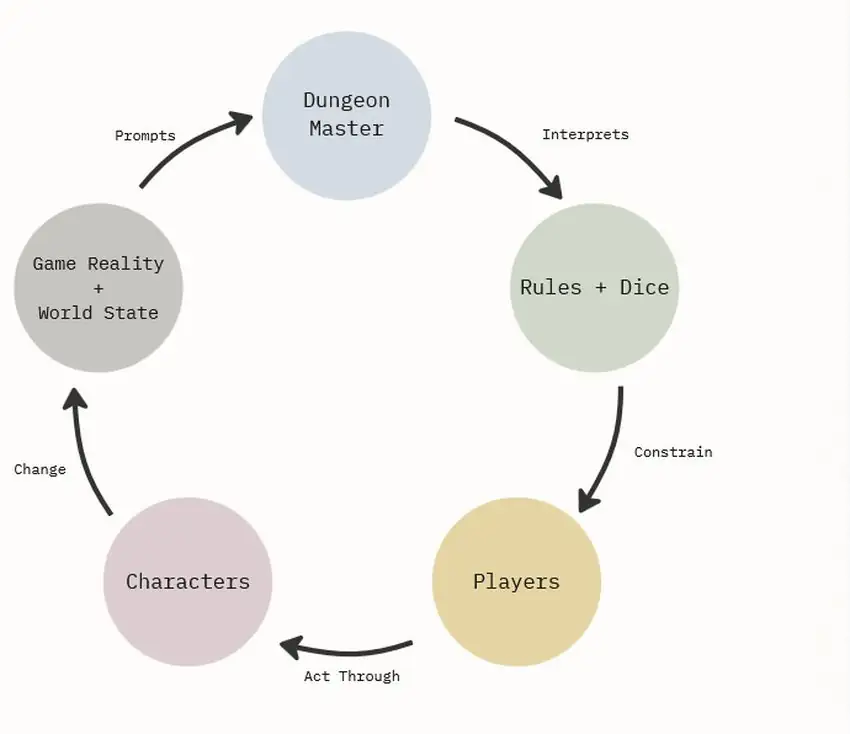
Model the table as an interaction ecosystem: the DM prompts, rules and dice constrain, players act through characters, characters change the world state, the world state prompts the DM again.
Testing observed where players paused, asked about rules, or deferred. Success was measured by faster actions and fluid rounds with more player-made choices.
Outcome
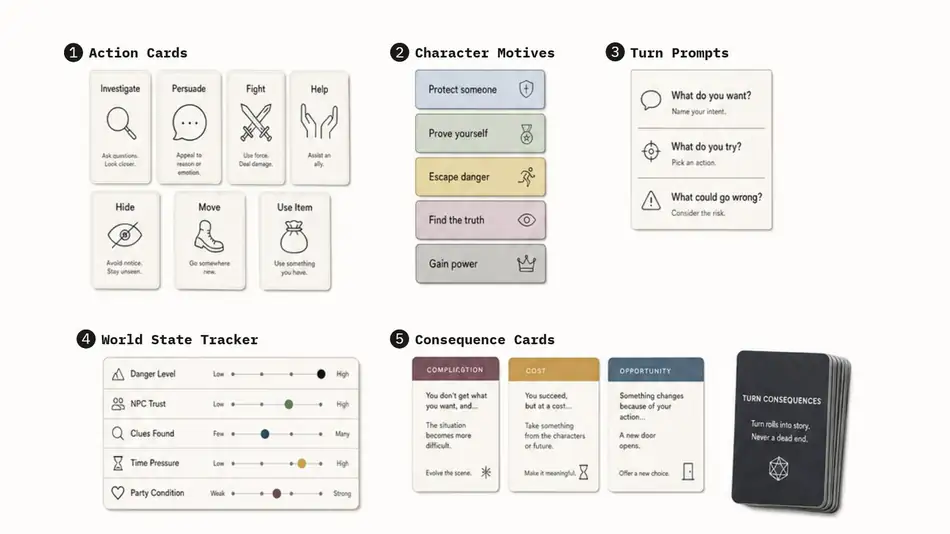
Five components that deconstruct the complexity — action cards, character motives, turn prompts, a world state tracker, and consequence cards that turn rolls into story so there's never a dead end.
Play becomes more enriching and rule anxiety drops. The rules didn't change — only the shape of the decision the player is asked to make.
Live Streaming: For Dummies
Applying the design process to my real-life passions.
Stagnant growth and low engagement kill small streamers. I researched what actually works, compiled it into a step-by-step program, then ran the program on myself and tracked the results.
Problem
New streamers are told to “be consistent” with no system behind it. Growth stalls, the community never forms, and the channel dies.
The real costs — time, energy, weekends, relationships — are rarely named up front.
Approach
Ground-up research plus advice from streamers who reached Twitch partner, compiled into an actionable program: set goals, define the niche and brand, reflect weekly, repurpose content, foster community.
Reflection was made a mechanic: rewatch the stream, note every moment you get bored, pick one technical and one skill-based improvement, repeat.
Outcome
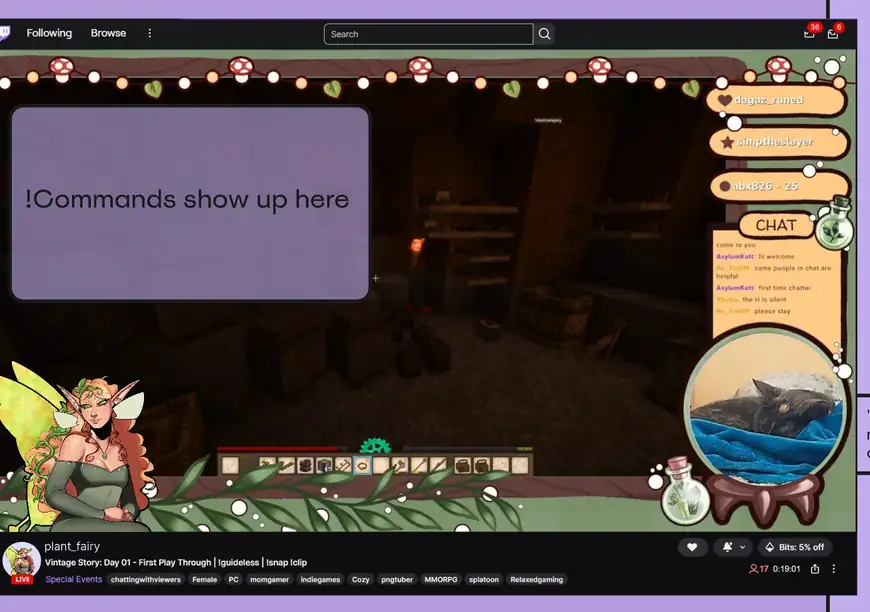
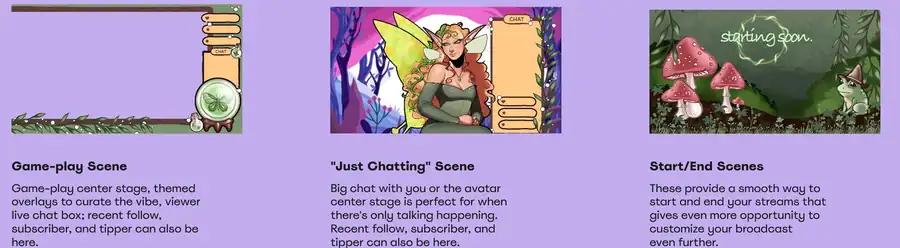
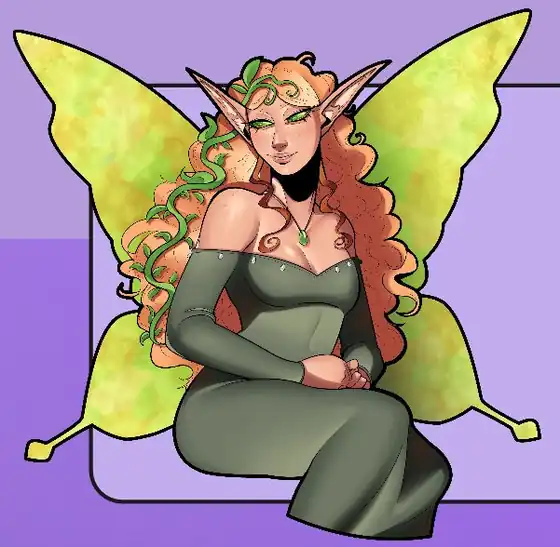
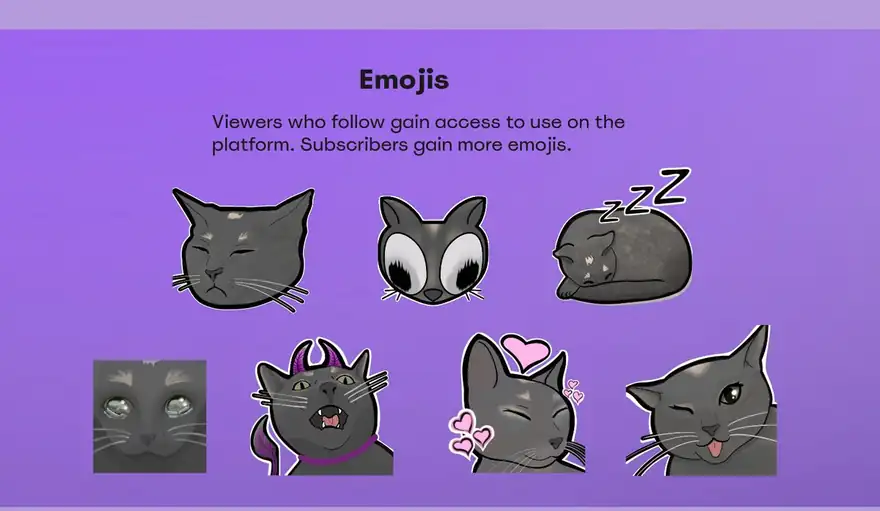
A complete identity — a PNG-Tuber fairy avatar, themed overlays for gameplay, chatting and start/end scenes, panels, and a set of custom emotes.
The niche is the hook: a live cat cam, a !cats command that spawns cats on screen, channel-point redeems, drink “orders” and loyalty cards.
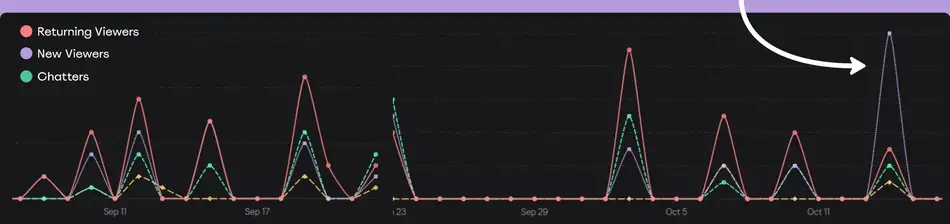
Not every goal was reached, and the failures are part of the finding: a community that depends on the streamer to sustain it hasn't become a community yet. Channel performance still ran well ahead of streamers who started at the same time from the same zero.

Designing for real behaviour, not ideal use.
Interaction design engages directly with the relationship between people, technology and everyday experience. My goal is to create solutions that are both innovative and humane.
Across these four projects the same method keeps showing up: watch what people — and cats, and new players — actually do when the designed thing gets difficult. The improvisations, the workarounds, the moments someone quits. That's where the design brief is.
By strengthening the connection between my analytical and creative processes, I'm building new skill sets on top of an existing foundation in industrial design: form, materials, manufacture and structure, now applied to interfaces and systems.
Let's talk about
what people actually do.
Los Angeles — Budapest · Open to interaction design internships and junior roles